
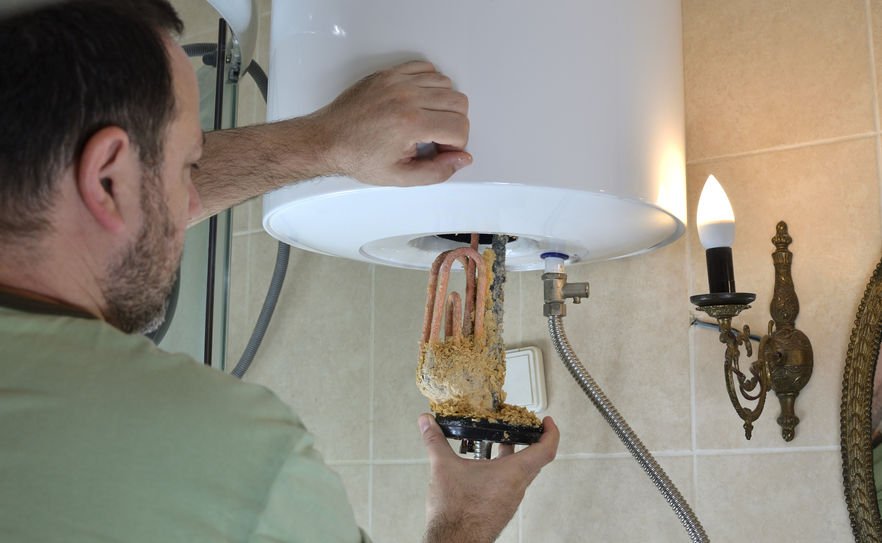

Sediment buildup is one of the most common issues affecting water heaters. Over time, minerals and debris accumulate inside the unit, reducing efficiency, increasing energy costs, and shortening the lifespan of the system. Understanding what causes sediment buildup can help homeowners prevent unnecessary repairs and extend the life of their water heater.
At Charlotte Plumbing Masters, we provide professional water heater services throughout Charlotte, including maintenance, repairs, and inspections that help reduce sediment-related problems.
Hard Water
Hard water contains high concentrations of naturally occurring minerals such as calcium and magnesium.
As water is heated, these minerals settle to the bottom of the tank and gradually form sediment, which can lead to:
- Reduced heating efficiency
- Longer recovery times
- Higher energy bills
- Unusual popping or rumbling noises
- Premature water heater wear
Homes with hard water often benefit from water treatment systems that help reduce mineral accumulation.
Skipping Annual Flushing
Routine flushing removes sediment before it has an opportunity to build up inside the tank.
Without regular maintenance, sediment can:
- Reduce efficiency
- Increase heating costs
- Overwork the heating system
- Shorten equipment lifespan
- Lead to costly repairs
Most manufacturers recommend flushing a water heater at least once each year to maintain optimal performance.
Worn or Damaged Components
Internal component problems can also contribute to faster sediment accumulation.
Examples include:
- Faulty valves
- Pressure control issues
- Aging components
- Improper water pressure
- General system wear
Professional inspections help identify these issues before they lead to more serious water heater problems.
Prevent Sediment Before It Becomes a Problem
Routine maintenance, annual flushing, and timely repairs help reduce sediment buildup while improving efficiency and extending the lifespan of your water heater.
If you’re considering replacing an aging unit, a tankless water heater can eliminate many of the sediment issues associated with traditional storage tanks.
FAQ
What causes sediment to build up inside a water heater?
Hard water minerals, infrequent flushing, and worn components are among the most common causes.
How often should a water heater be flushed?
Most water heaters should be flushed once a year to help remove accumulated sediment.
Can sediment reduce water heater efficiency?
Yes. Sediment acts as an insulating layer that forces the water heater to work harder and use more energy.
Does hard water damage water heaters?
Hard water accelerates mineral buildup, which can reduce performance and shorten the lifespan of the unit.
Can tankless water heaters experience sediment buildup?
Yes, although they are generally less affected than traditional storage tank models and still benefit from periodic maintenance.