
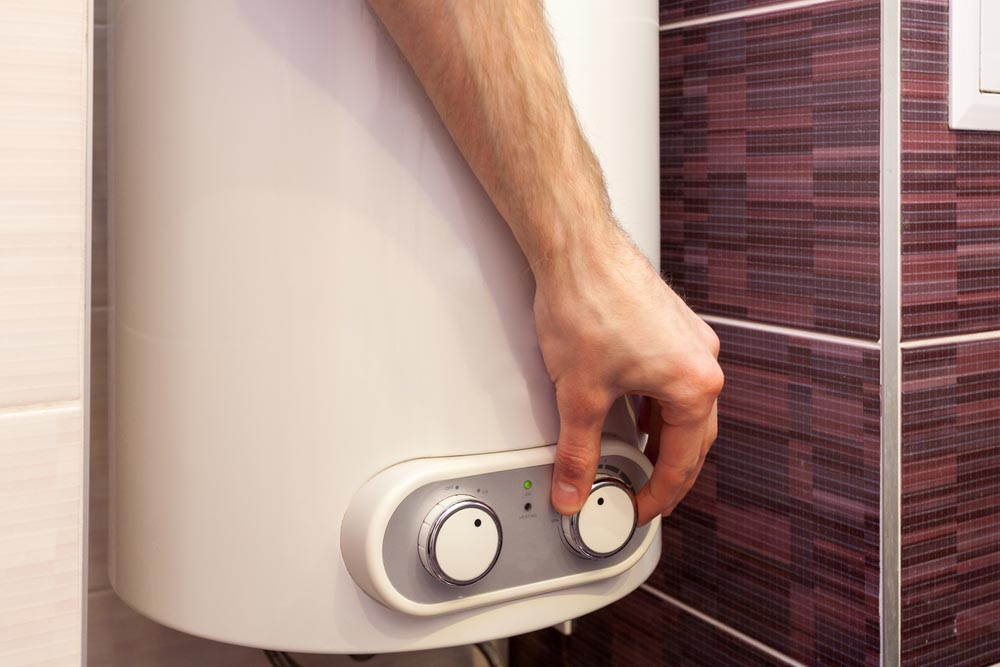

Your water heater is one of the hardest-working appliances in your home, providing hot water for bathing, cooking, cleaning, and laundry every day. However, improper use or lack of maintenance can create safety hazards and shorten the lifespan of your system. At Charlotte Plumbing Masters, we help homeowners keep their water heaters operating safely and efficiently with professional water heater repair services throughout Charlotte, NC.
Set the Right Temperature
Maintaining the proper water temperature is essential for both safety and efficiency. Most manufacturers and plumbing professionals recommend setting your water heater to approximately 120 degrees Fahrenheit.
Higher temperatures increase the risk of scalding, especially for children, seniors, and individuals with sensitive skin. Excessive heat can also accelerate sediment buildup inside the tank, reducing efficiency and potentially shortening the lifespan of your water heater.
Ensure Proper Ventilation
Gas water heaters require adequate ventilation to safely remove combustion gases. A damaged or blocked vent can allow carbon monoxide to build up inside the home, creating a potentially dangerous situation.
If you notice unusual odors, condensation around the unit, corrosion near the venting system, or inconsistent water heating, schedule a professional inspection immediately.
Schedule Regular Maintenance
Routine maintenance is one of the best ways to improve water heater safety and extend equipment life. Over time, minerals and sediment accumulate inside the tank, causing the system to work harder and increasing the risk of overheating or component failure.
Annual flushing and inspections help remove sediment and identify potential problems before they become expensive repairs. Preventive plumbing maintenance can significantly improve your water heater’s efficiency and reliability.
Don’t Forget Tankless Water Heaters
Many homeowners assume that tankless systems do not require maintenance, but this is not the case. Even modern tankless water heaters need periodic flushing and inspection to remove mineral buildup and maintain proper performance.
Regular servicing helps prevent reduced water flow, inconsistent temperatures, and premature equipment failure.
Test the Pressure Relief Valve
The temperature and pressure relief valve is one of the most important safety features on a traditional water heater. This valve releases excess pressure inside the tank and helps prevent dangerous failures.
During annual maintenance, the valve should be inspected and tested by a qualified plumber to ensure it is functioning properly.
Watch for Warning Signs
Your water heater may need professional attention if you notice:
- Rust-colored or discolored water
- Water leaking around the unit
- Popping or rumbling sounds
- Inconsistent hot water supply
- Higher utility bills
- Reduced hot water pressure
Addressing these issues early can help prevent major damage and improve the overall safety of your plumbing system.
Protect Your Home with Professional Water Heater Service
Taking proper safety measures helps keep your household safe while ensuring your water heater operates efficiently for years to come. Whether you need routine maintenance, inspection, repair, or replacement, Charlotte Plumbing Masters provides dependable plumbing solutions throughout Charlotte and the surrounding communities.
FAQ
What temperature should my water heater be set to?
Most professionals recommend setting your water heater to 120°F for safety and energy efficiency.
How often should a water heater be serviced?
Most water heaters should be professionally inspected and flushed once per year.
Can sediment buildup damage a water heater?
Yes. Sediment buildup can reduce efficiency, increase energy costs, and shorten the lifespan of the unit.
Do tankless water heaters require maintenance?
Yes. Tankless systems should be flushed and inspected regularly to remove mineral buildup and maintain performance.
When should I call a plumber for my water heater?
You should call a plumber if you notice leaks, strange noises, inconsistent hot water, or changes in water quality.