
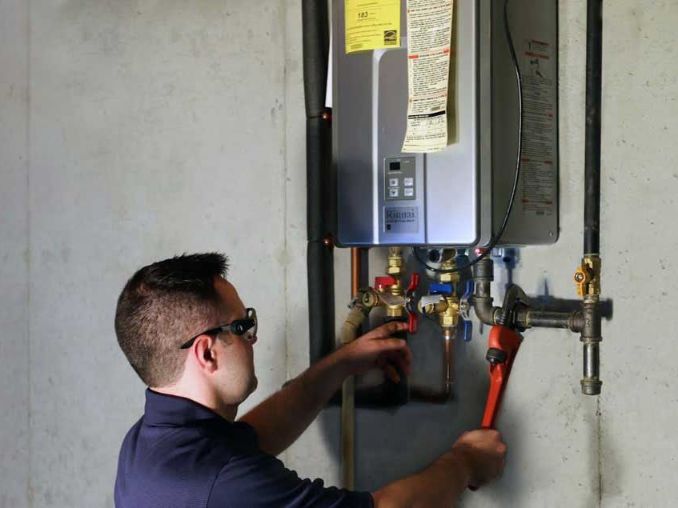

Water heaters don’t last forever. As they age, they become less efficient, more prone to breakdowns, and increasingly expensive to maintain. Recognizing the signs of an outdated water heater can help you avoid unexpected failures and determine when it’s time to consider a replacement.
At Charlotte Plumbing Masters, we provide professional water heater repair services throughout Charlotte and help homeowners decide whether repairing or replacing an aging water heater is the most cost-effective solution.
Rust and Corrosion
Rust is one of the clearest signs that a traditional storage tank water heater is reaching the end of its lifespan.
Corrosion may result in:
- Rust-colored water
- Tank deterioration
- Leaks
- Reduced efficiency
- Premature equipment failure
Many homeowners choose to upgrade to a tankless water heater because these systems eliminate the large storage tank that is most susceptible to corrosion.
Unusual Noises
An older water heater often becomes noticeably louder as sediment accumulates inside the tank.
Common warning sounds include:
- Rumbling
- Popping
- Banging
- Cracking noises
- Excessive operating noise
These sounds often indicate sediment buildup or aging internal components that reduce efficiency.
Water Leaks
Leaks around a water heater should never be ignored.
They may indicate:
- Tank corrosion
- Failing internal components
- Damaged fittings
- Pressure-related issues
- Age-related deterioration
While some leaks can be repaired, a leaking tank often means replacement is the safest long-term solution.
Poor Heating Performance
If your water heater struggles to provide consistent hot water, aging components may be reducing its performance.
Signs include:
- Insufficient hot water
- Fluctuating temperatures
- Longer recovery times
- Reduced efficiency
- Higher energy bills
When these issues become frequent, replacing an outdated unit is often more economical than repeated repairs.
FAQ
How long does a traditional water heater typically last?
Most storage tank water heaters last approximately 8 to 12 years, depending on maintenance and water quality.
Does rust mean I need a new water heater?
Rust often indicates internal corrosion and may signal that the water heater is nearing the end of its lifespan.
Why is my water heater making loud noises?
Unusual sounds are commonly caused by sediment buildup or aging internal components.
Can an old water heater become less efficient?
Yes. Aging systems often require more energy while producing less reliable hot water.
When should I replace an outdated water heater?
If the unit has recurring leaks, corrosion, poor heating performance, or frequent repair needs, replacement is often the best option.