
Routine plumbing maintenance helps identify small issues before they become expensive repairs. Performing a plumbing inspection every few months can improve system efficiency, reduce water waste, and extend the lifespan of your home’s plumbing components.
At Charlotte Plumbing Masters, we provide professional plumbing maintenance services throughout Charlotte to help homeowners keep their plumbing systems operating reliably year-round.
Test Your Shut-Off Valves
Your home’s shut-off valves should operate smoothly whenever they’re needed.
During your quarterly inspection, check for:
- Stiff or difficult valve operation
- Corrosion around valve connections
- Small leaks
- Signs of mineral buildup
- Proper shut-off function
Working shut-off valves are essential during plumbing emergencies and routine repairs.
Inspect Your Drains
Slow drains often indicate developing clogs that become more difficult to remove over time.
Watch for:
- Slow drainage
- Recurring clogs
- Gurgling sounds
- Unpleasant odors
- Water backups
If these symptoms appear, professional drain cleaning services can remove blockages before they become major plumbing problems.
Check Your Water Heater
Your water heater should also be inspected every few months for signs of developing problems.
Look for:
- Leaks around the tank
- Rust or corrosion
- Unusual operating noises
- Inconsistent hot water
- Visible signs of wear
Routine inspections can improve efficiency while helping prevent unexpected breakdowns.
Look for Plumbing Leaks
Even small plumbing leaks can waste significant amounts of water over time.
Inspect visible plumbing for:
- Water stains
- Pipe condensation
- Standing water
- Mold or mildew growth
- Cracked fittings or pipes
Addressing leaks early helps reduce water damage and unnecessary utility costs.
Monitor Water Pressure
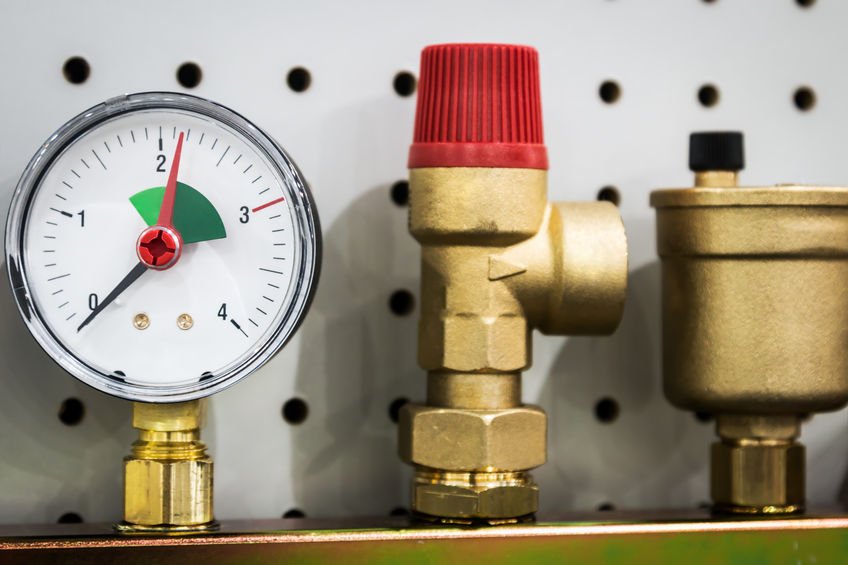
Healthy residential water pressure typically falls between approximately 40 and 80 PSI.
Water pressure that is too high or too low may indicate underlying plumbing issues that require professional attention.
FAQ
How often should I inspect my plumbing system?
A basic plumbing inspection every three months can help identify developing problems before they become major repairs.
Why should I test my shut-off valves?
Working shut-off valves allow you to quickly stop water flow during plumbing emergencies.
What should I look for during a plumbing inspection?
Inspect drains, water heaters, visible pipes, shut-off valves, water pressure, and signs of leaks.
What is considered normal residential water pressure?
Most homes operate best with water pressure between approximately 40 and 80 PSI.
Is professional plumbing maintenance worth it?
Routine professional maintenance can identify hidden problems early, improve efficiency, and help prevent costly repairs.