
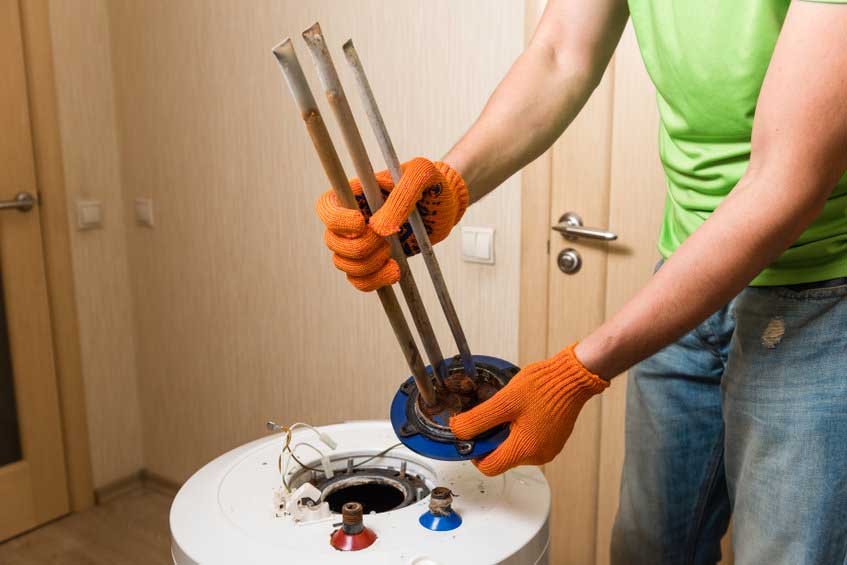

Corrosion is one of the most common reasons water heaters lose efficiency and eventually fail. Left untreated, corrosion can lead to leaks, poor performance, expensive repairs, and even complete system replacement. Understanding what causes corrosion can help homeowners extend the lifespan of their water heaters.
At Charlotte Plumbing Masters, we provide professional water heater repair services throughout Charlotte and help homeowners identify corrosion issues before they become major plumbing problems.
1. Low Water Levels
Maintaining the proper water level inside a traditional water heater is essential for protecting its internal components.
Low water levels may lead to:
- Tank corrosion
- Heating element damage
- Reduced efficiency
- Rust formation
- Premature system failure
If you notice rusty water or declining performance, your water heater should be professionally inspected.
2. Excessive Internal Tank Temperature
Water heaters are designed to operate within a recommended temperature range. Excessively high temperatures can accelerate corrosion and place unnecessary stress on internal components.
Overheating may contribute to:
- Accelerated corrosion
- Higher energy consumption
- Increased wear on components
- Reduced equipment lifespan
- Premature water heater failure
Keeping your thermostat properly adjusted helps protect your system while maintaining energy efficiency.
3. Sediment Buildup
Minerals naturally present in hard water gradually settle at the bottom of traditional storage tank water heaters.
Sediment accumulation can cause:
- Reduced heating efficiency
- Overheating
- Unusual rumbling or popping noises
- Corrosion inside the tank
- Shortened equipment lifespan
Many homeowners choose to upgrade to a tankless water heater, which eliminates many of the sediment issues associated with traditional storage tanks.
Why Regular Maintenance Matters
Routine maintenance, including periodic flushing and professional inspections, helps remove sediment, identify early signs of corrosion, and maximize the lifespan of your water heater.
Preventative maintenance is often far less expensive than repairing or replacing a severely corroded system.
FAQ
What causes corrosion inside a water heater?
Low water levels, excessive temperatures, and sediment buildup are among the most common causes.
Can sediment damage a water heater?
Yes. Sediment reduces efficiency, increases heat buildup, and accelerates internal wear.
Why is rusty water coming from my water heater?
Rust-colored water often indicates internal corrosion or deterioration inside the tank.
Can regular maintenance prevent corrosion?
Routine inspections and flushing can significantly reduce sediment buildup and help identify corrosion before it becomes severe.
Are tankless water heaters less prone to sediment problems?
Yes. Because they do not store large amounts of water, tankless systems avoid many of the sediment issues associated with traditional storage tanks.