
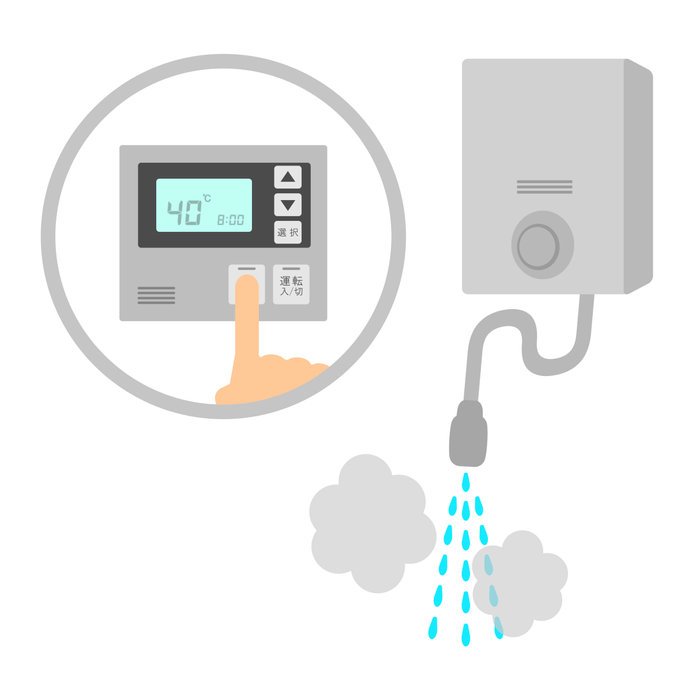

Tankless water heaters have become increasingly popular because of their energy efficiency, compact design, and ability to provide hot water on demand. Although these systems may appear simple from the outside, several important components work together to deliver reliable hot water throughout your home.
At Charlotte Plumbing Masters, we provide professional tankless water heater services throughout Charlotte and help homeowners understand how these systems work and how to keep them operating efficiently.
Venting System
Proper venting is one of the most important components of a gas-powered tankless water heater.
The venting system is responsible for:
- Removing combustion gases safely
- Providing proper airflow
- Maintaining efficient operation
- Supporting safe system performance
Because venting requirements vary between systems, professional installation is essential.
Heat Exchanger
The heat exchanger is one of the most critical components inside a tankless water heater.
Since these systems do not store hot water, the heat exchanger rapidly heats cold water as it passes through the unit.
A properly maintained heat exchanger can provide many years of reliable service and plays a major role in the system’s overall efficiency.
Gas Burner
The gas burner generates the heat needed to warm water as it flows through the heat exchanger.
Its responsibilities include:
- Producing consistent heat
- Supporting on-demand hot water
- Maintaining energy efficiency
- Responding to changing water demands
Professional water heater repair services can help diagnose burner issues and keep the system operating properly.
Gas Valve
The gas valve controls the flow of gas to the burner and helps regulate system performance.
This component is designed to:
- Control fuel delivery
- Improve operating efficiency
- Support safe performance
- Adjust to changing demand
A malfunctioning gas valve can affect both efficiency and hot water production.
Printed Circuit Board
The printed circuit board acts as the control center of the water heater.
This component monitors and coordinates many of the system’s functions, including temperature regulation and overall operation.
Modern tankless systems rely heavily on electronic controls to deliver efficient performance and diagnostic capabilities.
Electronic Ignition System
Unlike older systems that use a standing pilot light, modern tankless water heaters use electronic ignition systems.
This design offers several advantages:
- Improved efficiency
- Reduced energy consumption
- Reliable startup performance
- Enhanced safety features
Electronic ignition is one of the many features that contributes to the overall efficiency of modern tankless systems.
FAQ
What is the purpose of the heat exchanger?
The heat exchanger rapidly heats cold water as it passes through the unit, eliminating the need for a storage tank.
Why do tankless water heaters need venting?
Gas-powered tankless systems require proper venting to safely remove combustion gases and maintain efficient operation.
What does the gas valve do?
The gas valve regulates fuel flow to the burner and helps control system performance.
What is the printed circuit board?
It serves as the control center that manages many of the water heater’s operating functions.
Why do tankless water heaters use electronic ignition?
Electronic ignition improves efficiency by eliminating the need for a constantly burning pilot light.