
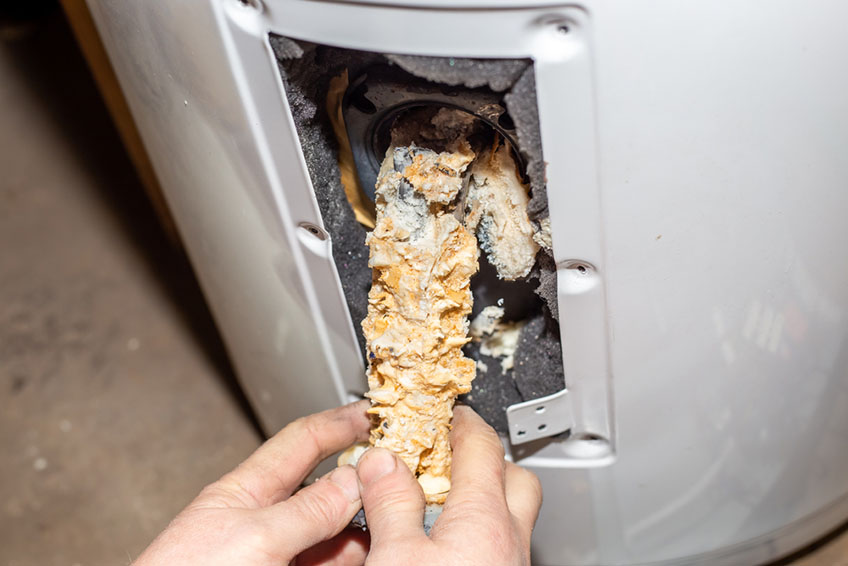

A burst water heater is one of the most serious plumbing emergencies a homeowner can experience. A failing water heater can release dozens of gallons of water into your home, causing significant damage to flooring, walls, furniture, and personal belongings.
At Charlotte Plumbing Masters, we provide professional water heater repair services throughout Charlotte and help homeowners identify the warning signs that may indicate their water heater is at risk of failure.
Sediment Buildup Inside the Tank
Sediment accumulation is one of the most common reasons traditional water heaters fail. Over time, minerals such as calcium and magnesium settle at the bottom of the tank and form a thick layer of sediment.
This buildup can:
- Reduce heating efficiency
- Cause the unit to work harder
- Create excessive heat inside the tank
- Accelerate corrosion
- Shorten the lifespan of the water heater
Regular flushing and proper maintenance can help minimize sediment buildup and extend the life of your water heater.
Rust and Corrosion
Rust is another major contributor to water heater failure. Traditional tank water heaters contain an anode rod that helps prevent corrosion, but this component gradually wears out over time.
Once corrosion begins affecting the tank itself, the structural integrity of the unit may weaken and eventually result in leaks or even a burst tank.
Many homeowners choose to upgrade to a tankless water heater when replacing an aging tank system because tankless units do not store large amounts of water and are less susceptible to internal tank corrosion.
Excessive Internal Pressure
Water heaters are designed to operate within specific temperature and pressure limits. When pressure inside the tank becomes too high, serious damage can occur.
Common causes of excessive pressure include:
- Faulty temperature and pressure relief valves
- Overheating
- Excessive water pressure
- Blocked plumbing components
- Internal corrosion and sediment buildup
If pressure continues to increase, the tank can eventually crack or rupture.
Warning Signs That Your Water Heater May Fail
Homeowners should watch for several warning signs that may indicate a water heater problem:
- Rust-colored water
- Visible leaks around the unit
- Strange popping or rumbling noises
- Insufficient hot water
- Increasing utility bills
- The unit is more than ten years old
Addressing these issues early can often prevent more extensive damage and unexpected emergencies.
Preventative Maintenance Matters
Routine inspections and maintenance are the best ways to extend the lifespan of your water heater and reduce the risk of sudden failure.
Regular maintenance allows small problems to be identified before they become expensive repairs or complete system replacements.
FAQ
Why do water heaters burst?
Sediment buildup, corrosion, and excessive internal pressure are among the most common causes of water heater failures.
Can sediment really damage a water heater?
Yes. Sediment reduces efficiency, increases stress on the tank, and can accelerate deterioration.
How can I prevent my water heater from bursting?
Regular maintenance, flushing, and prompt repairs can significantly reduce the risk of major failures.
Are tankless water heaters less likely to burst?
Because they do not store large amounts of water in a tank, tankless systems avoid many of the problems associated with tank corrosion and sediment accumulation.
When should I replace my water heater?
If your water heater is leaking, heavily corroded, or more than ten years old and experiencing repeated issues, replacement may be the best option.