
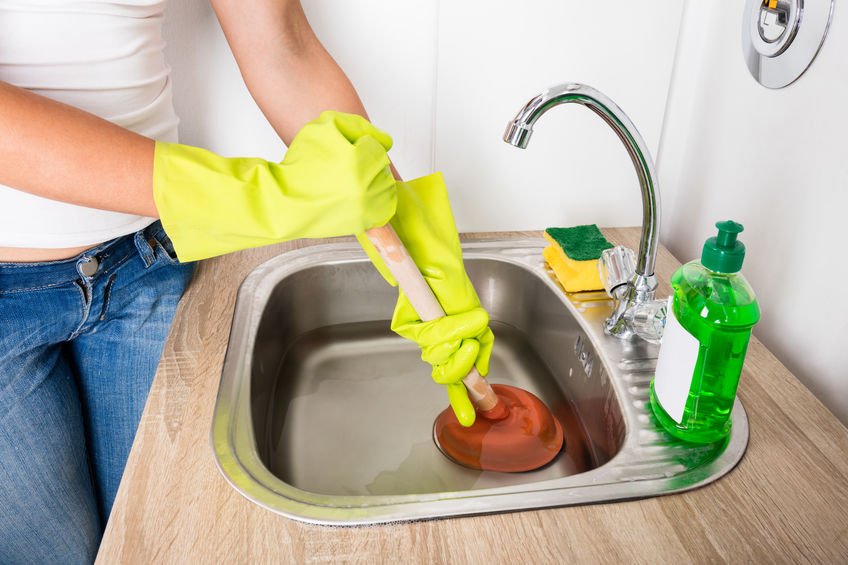

Your kitchen is one of the busiest areas of your home. The kitchen sink is used constantly for cooking, washing dishes, food preparation, and cleaning. Because of this heavy daily use, kitchen drains are far more likely to develop clogs than many other plumbing fixtures.
At Charlotte Plumbing Masters, we help homeowners throughout Charlotte prevent drain issues through professional drain cleaning services and practical maintenance recommendations that keep kitchen plumbing systems working efficiently.
Why Kitchen Drains Clog So Easily
Kitchen drains handle a variety of substances every day, many of which should never enter the plumbing system. Small amounts of grease, cooking oil, food particles, coffee grounds, and soap residue gradually build up inside the pipes.
Over time, these materials stick to the pipe walls and trap additional debris, eventually creating a stubborn blockage that restricts water flow.
Homes with older plumbing systems may be even more vulnerable to recurring clogs because rough interior pipe surfaces allow grease and food debris to accumulate more easily.
The Biggest Causes of Kitchen Drain Clogs
- Grease and cooking oils
- Food scraps and vegetable peels
- Coffee grounds
- Rice, pasta, and starchy foods that expand with water
- Soap residue and detergent buildup
- Foreign objects accidentally entering the drain
Even homes equipped with a garbage disposal can experience drain problems if large amounts of food waste are placed into the system.
How to Prevent Kitchen Drain Problems
Preventing kitchen drain clogs starts with developing good habits.
- Never pour grease or cooking oil down the sink.
- Dispose of food scraps in the trash whenever possible.
- Use a sink strainer to catch small particles.
- Flush the drain occasionally with hot water.
- Schedule periodic maintenance if your home experiences recurring clogs.
Maintaining your kitchen plumbing system properly can significantly reduce the risk of backups and expensive repairs.
When a Professional Drain Cleaning Is Needed
If water drains slowly, unpleasant odors develop, or clogs keep returning despite your best efforts, professional service may be necessary.
Depending on the severity of the blockage, professional plumbers may use drain snaking, specialized equipment, or other methods to fully remove the obstruction and restore proper flow.
Don’t Wait for an Emergency
Many serious plumbing emergencies begin as minor slow drains that are ignored for too long. Addressing small problems early often prevents much larger and more expensive repairs later.
If your kitchen sink is draining slowly or repeatedly clogging, professional inspection can identify the cause before it becomes a major plumbing issue.
FAQ
Why do kitchen drains clog more often than bathroom drains?
Kitchen drains regularly handle grease, food particles, and soap residue that can accumulate inside pipes and create blockages.
Can I pour hot grease down the drain?
No. Grease may be liquid when hot, but it quickly hardens inside the pipes and contributes to severe clogs.
Do garbage disposals prevent clogs?
No. Garbage disposals help break down food waste but cannot prevent all drain blockages.
How do I know if I need professional drain cleaning?
Recurring clogs, slow drainage, and unpleasant odors are all signs that professional cleaning may be necessary.
How often should kitchen drains be professionally cleaned?
Homes with recurring drain issues often benefit from professional drain cleaning every one to two years.