
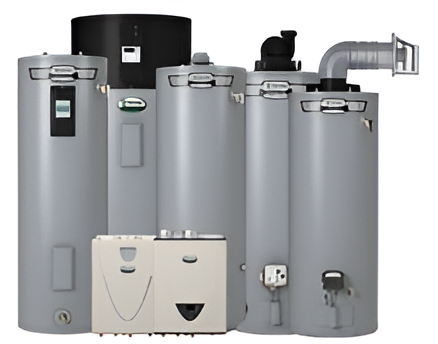
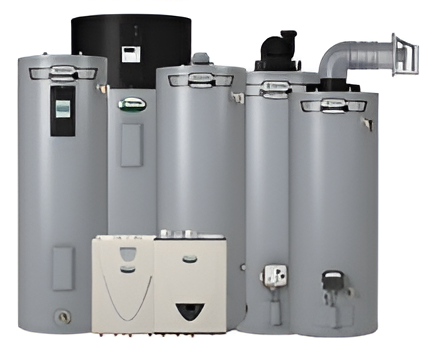
Standard tank water heaters provide reliable hot water for showers, laundry, and everyday household tasks. However, like any major appliance, they require regular maintenance to operate efficiently and avoid unexpected breakdowns.
At Charlotte Plumbing Masters, we encourage homeowners to stay proactive with water heater maintenance. Routine service can extend the life of your unit, improve energy efficiency, and help you avoid costly water heater repair in the future.
Do Standard Water Heaters Need Routine Maintenance?
Yes. Regular maintenance helps identify small problems before they turn into major repairs. Sediment buildup, worn components, and hidden leaks can all reduce efficiency and shorten the lifespan of your water heater.
Annual inspections also help detect issues such as corrosion, loose connections, and failing safety components before they cause significant damage.
Flush the Tank Regularly
One of the most important maintenance tasks is flushing the tank to remove accumulated sediment. Minerals naturally found in water settle at the bottom of the tank over time, creating a layer of debris that forces the system to work harder.
Most manufacturers recommend flushing the water heater at least once a year. In areas with hard water, more frequent flushing may be beneficial.
Inspect the Anode Rod
The anode rod plays an important role in protecting the tank from corrosion. It attracts corrosive elements in the water and sacrifices itself to protect the inside of the tank.
Checking the anode rod every year and replacing it when necessary can significantly extend the life of your water heater and prevent premature tank failure.
Test the Temperature and Pressure Relief Valve
The temperature and pressure (T&P) relief valve is one of the most important safety components on a standard tank water heater. This valve helps release excess pressure inside the tank and reduces the risk of dangerous failures.
Testing the valve periodically ensures it remains operational and ready if excessive pressure develops.
Perform a Visual Inspection
You should inspect your water heater’s venting system, air supply, and surrounding area at least once a year. Look for signs of leaks, corrosion, loose fittings, or blocked vents.
Gas water heaters should also be checked for carbon buildup and proper combustion. Any obstruction or damage to the venting system could create serious safety concerns, including carbon monoxide exposure.
Don’t Forget About Tankless Systems
Although this article focuses on standard tank units, homeowners should remember that tankless water heaters also require routine maintenance. Mineral buildup can affect performance and reduce efficiency if the system is not flushed and inspected regularly.
When to Call a Professional
Some maintenance tasks are simple, but others require professional experience and specialized tools. If you notice unusual noises, rusty water, leaks, inconsistent temperatures, or reduced hot water supply, it is best to schedule a professional inspection.
Routine maintenance performed by experienced plumbers helps keep your water heater operating safely and efficiently while reducing the risk of unexpected breakdowns.
FAQ
How often should I flush my water heater?
Most standard tank water heaters should be flushed once per year to remove sediment buildup.
What does an anode rod do?
The anode rod protects the inside of the tank from corrosion by attracting minerals and corrosive elements in the water.
How long do standard tank water heaters last?
Most tank water heaters last between 8 and 12 years, depending on maintenance, water quality, and usage.
Can sediment damage a water heater?
Yes. Excessive sediment buildup reduces efficiency, increases energy costs, and can shorten the lifespan of the unit.
Do tankless water heaters require maintenance?
Yes. Tankless systems also require regular flushing and inspections to maintain proper performance.